

A packed dance floor may look effortless, but behind every successful wedding reception is a carefully crafted strategy. While great music is certainly part of the equation, creating an unforgettable celebration involves much more than simply playing popular songs. Effective wedding reception music planning combines psychology, timing, crowd awareness, and experience to keep guests engaged from the first dance to the final song.
Understanding what motivates people to get out of their chairs and onto the dance floor can make all the difference between a reception that feels ordinary and one that guests talk about for years.
Reading Crowd Energy
One of the most important aspects of wedding reception music planning is learning how to read the room. Every wedding is unique, and no playlist works exactly the same way for every crowd.
Experienced DJs constantly monitor guest reactions throughout the evening. They pay attention to which songs fill the dance floor, which songs prompt guests to head back to their tables, and how different age groups are responding to the music. This real-time feedback helps shape the direction of the reception as the night unfolds.
A successful reception is rarely about sticking rigidly to a predetermined playlist. Instead, it requires flexibility and an understanding of how to maintain momentum while adapting to the energy of the crowd.
Mixing Generations and Musical Tastes
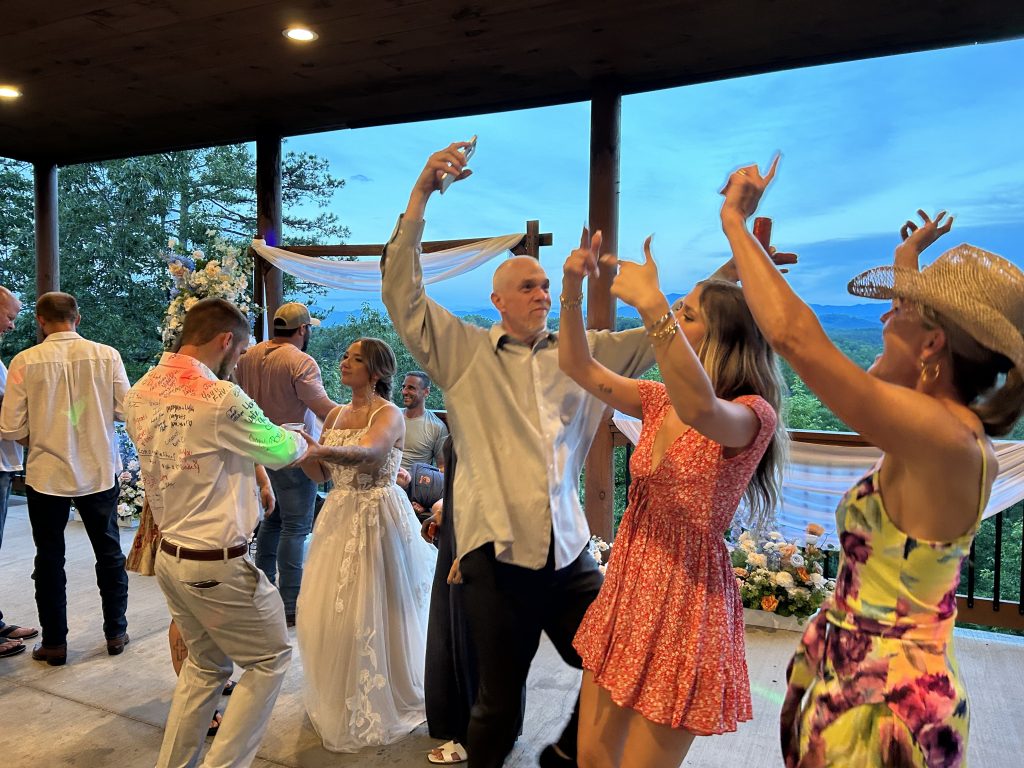
Most weddings bring together people from different generations, backgrounds, and musical preferences. Grandparents, college friends, coworkers, and children all share the same dance floor, creating a unique challenge for entertainment professionals.
The key is balance.
A well-planned reception moves seamlessly between genres and eras, ensuring everyone hears something familiar and enjoyable throughout the evening. Classic dance hits can appeal to older guests, while contemporary favorites keep younger attendees engaged. The most successful receptions create moments where multiple generations are dancing together rather than dividing the crowd by age.
When wedding reception music planning takes guest demographics into account, the dance floor becomes a gathering place for everyone rather than a space enjoyed by only a select group.
Timing Slow Songs and High-Energy Songs
Many couples focus on song selection, but timing often has a greater impact on guest participation than the songs themselves.
High-energy songs generate excitement and encourage guests to dance, but nonstop fast-paced music can eventually lead to fatigue. Strategic slow songs provide guests with a chance to rest, reconnect, and prepare for the next wave of dancing.
Likewise, playing slower songs too early in the evening can disrupt momentum before it has fully developed.
Successful wedding reception music planning creates a natural rhythm throughout the night. Energy builds gradually, reaches several peaks, and includes carefully placed moments of recovery. This balance keeps guests engaged without overwhelming them.
Think of the reception as a story rather than a playlist. The most memorable celebrations take guests on a journey that feels exciting, natural, and perfectly paced.
The Role of Requests
Guest song requests can be both valuable and challenging.
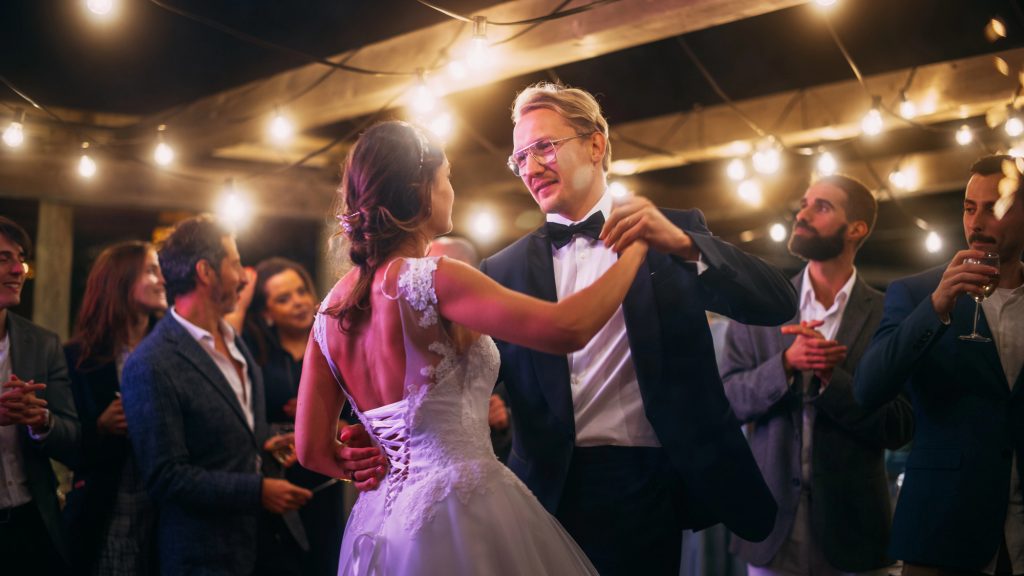
On one hand, requests provide insight into what guests are excited to hear. A well-timed request can energize the room and create memorable moments on the dance floor. On the other hand, not every requested song fits the mood or aligns with the couple’s vision for the celebration.
The best approach is to view requests as information rather than obligations. They help gauge guest interests while allowing entertainment professionals to maintain the overall flow of the reception.
When incorporated thoughtfully, requests can enhance the experience without disrupting the carefully planned energy of the evening.
Why Song Order Matters More Than Song Selection
Many couples spend months creating lists of favorite songs, but song order often has a greater influence on dance floor success than any individual track.
A great song played at the wrong time can empty a dance floor. Conversely, a familiar crowd-pleaser played at the perfect moment can bring guests rushing back to dance.
Successful wedding reception music planning focuses on transitions as much as selections. Songs should complement one another, build energy naturally, and guide guests from one moment to the next. The goal is to create a continuous flow that feels effortless to guests, even though considerable planning and expertise are working behind the scenes.
This sequencing creates anticipation and keeps guests engaged throughout the evening rather than experiencing abrupt shifts in mood or tempo.
Creating an Unforgettable Reception Experience
A packed dance floor is rarely the result of luck. It is the product of thoughtful wedding reception music planning, careful observation, strategic timing, and an understanding of how people respond to music and social environments.
The most successful receptions blend preparation with adaptability. They balance different musical tastes, manage energy levels, welcome guest participation, and create a seamless flow from one song to the next.
When all of these elements work together, the result is more than a reception—it becomes an experience that keeps guests dancing, celebrating, and creating memories long after the last song ends.
Comments are closed